
- Personalized and Evidence - Based Neurological Care
- +91-9773763662
+91-9773763662
sjsneuro@yahoo.com
Backache and Spine Disease
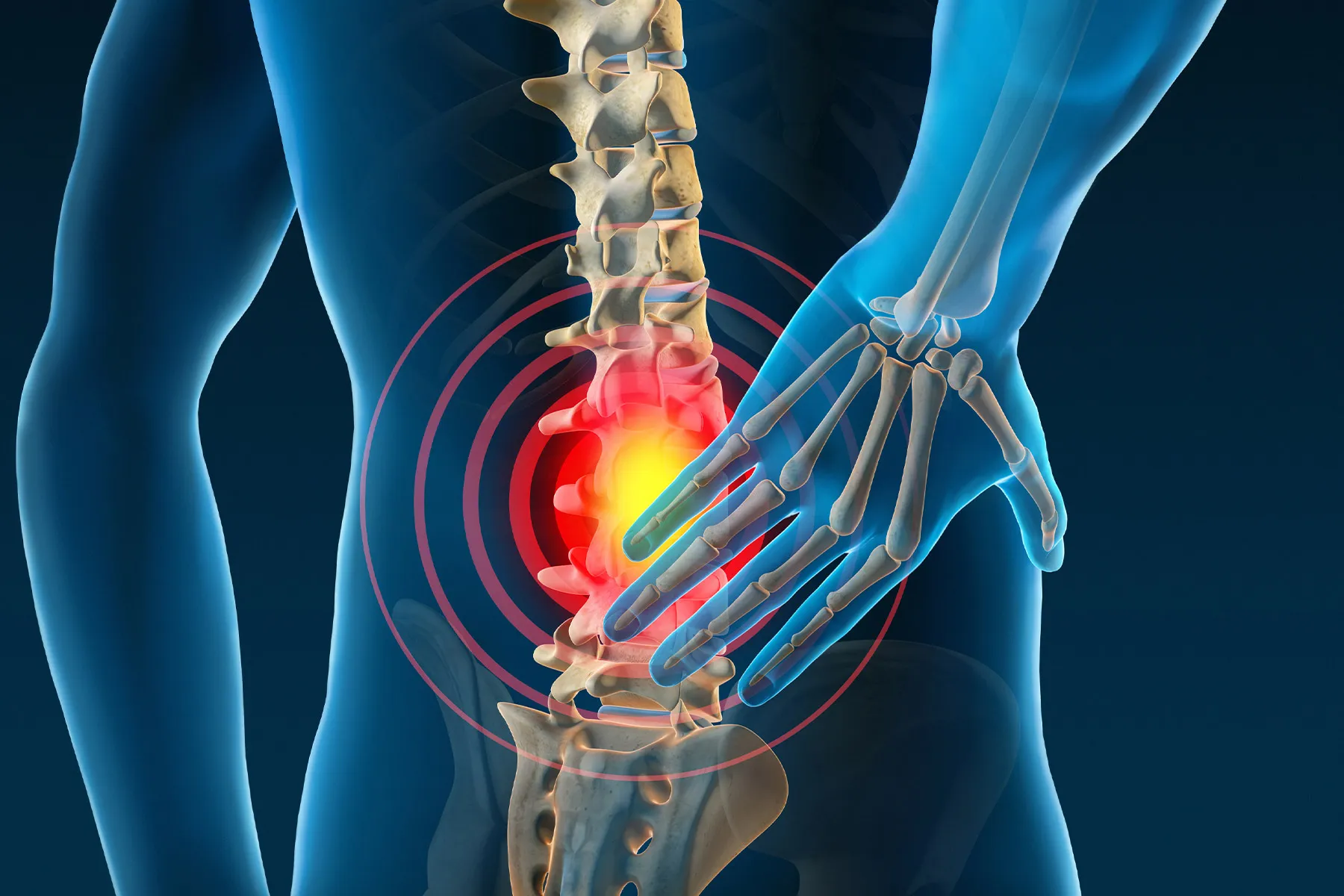
Backache and Spine Disease Neurologist in Gurgaon/h1>
<
Backache and Spine Disease
Backache and spine disease are among the most common causes of pain and disability worldwide. The spine supports body movement, posture, and nerve protection. Any disorder affecting spinal structures can lead to persistent pain and reduced mobility.
Back pain may be temporary or chronic. Early evaluation helps prevent long-term complications and functional limitations.
Common Causes of Backache
Backache develops due to multiple mechanical and medical factors. The most frequent causes include:

Poor posture and prolonged sitting
Muscle strain or ligament injury
Degenerative disc disease
Herniated or slipped disc
Spinal arthritis
Osteoporosis
Obesity and weak core muscles
Sudden trauma or accidents
In many cases, lifestyle habits significantly influence symptom severity.
Types of Spine Diseases
Spine diseases vary based on location and pathology.
Degenerative Spine Disorders
These include cervical, thoracic, and lumbar spondylosis, caused by age-related disc and joint degeneration.
Disc-Related Conditions
Bulging disc
Herniated disc
Degenerated disc
These conditions may compress spinal nerves, causing radiating pain.
Spinal Deformities
Scoliosis
Kyphosis
Lordosis
Spinal deformities alter alignment and increase mechanical stress.
Inflammatory and Infectious Diseases
Conditions such as ankylosing spondylitis and spinal infections cause chronic pain and stiffness.
Symptoms of Backache and Spine Disease
Symptoms depend on the affected spinal level and severity. Common signs include:
Persistent back or neck pain
Stiffness and reduced flexibility
Pain radiating to arms or legs
Numbness or tingling sensations
Muscle weakness
Difficulty standing, walking, or sitting
Symptoms may worsen with activity and improve with rest.
Risk Factors for Spine Disorders
Several factors increase the risk of spine disease:
Advancing age
Sedentary lifestyle
Desk-based occupations
Poor ergonomics
Smoking
Repetitive strain injuries
Lack of regular exercise
Addressing these factors helps reduce disease progression.
Diagnosis of Backache and Spine Disease
Diagnosis begins with clinical examination and medical history. Doctors may recommend:
X-rays to assess bone alignment
MRI scans to evaluate discs and nerves
CT scans for detailed bone imaging
Blood tests in suspected infection or inflammation
Accurate diagnosis ensures targeted treatment planning.
Non-Surgical Treatment Options
Medications
Pain relievers and anti-inflammatory drugs
Muscle relaxants
Neuropathic pain medications
These medications reduce pain and inflammation effectively.
Physiotherapy and Rehabilitation
Physiotherapy plays a central role in recovery. It includes:
Spine-strengthening exercises
Stretching and mobility training
Posture correction
Heat and electrotherapy
Regular therapy improves strength and prevents recurrence.
Lifestyle and Ergonomic Changes
Maintain proper posture
Use ergonomic chairs and workstations
Take frequent movement breaks
Maintain healthy body weight
Engage in low-impact exercise
Healthy habits promote spinal longevity.
Interventional Pain Management
For persistent pain, interventional techniques may be used:
Epidural steroid injections
Facet joint injections
Nerve blocks
These procedures provide targeted and sustained pain relief.
Surgical Treatment for Spine Disease
Surgery is recommended when conservative measures fail or neurological symptoms progress. Surgical goals include:
Relieving nerve compression
Stabilizing the spine
Correcting deformity
Modern minimally invasive spine surgery offers faster recovery and minimal tissue damage.
Preventing Backache and Spine Disease
Prevention focuses on spinal care and daily discipline:
Exercise regularly
Strengthen core muscles
Avoid heavy lifting without support
Maintain proper sleeping posture
Stay physically active
Preventive care reduces the risk of chronic spine problems.
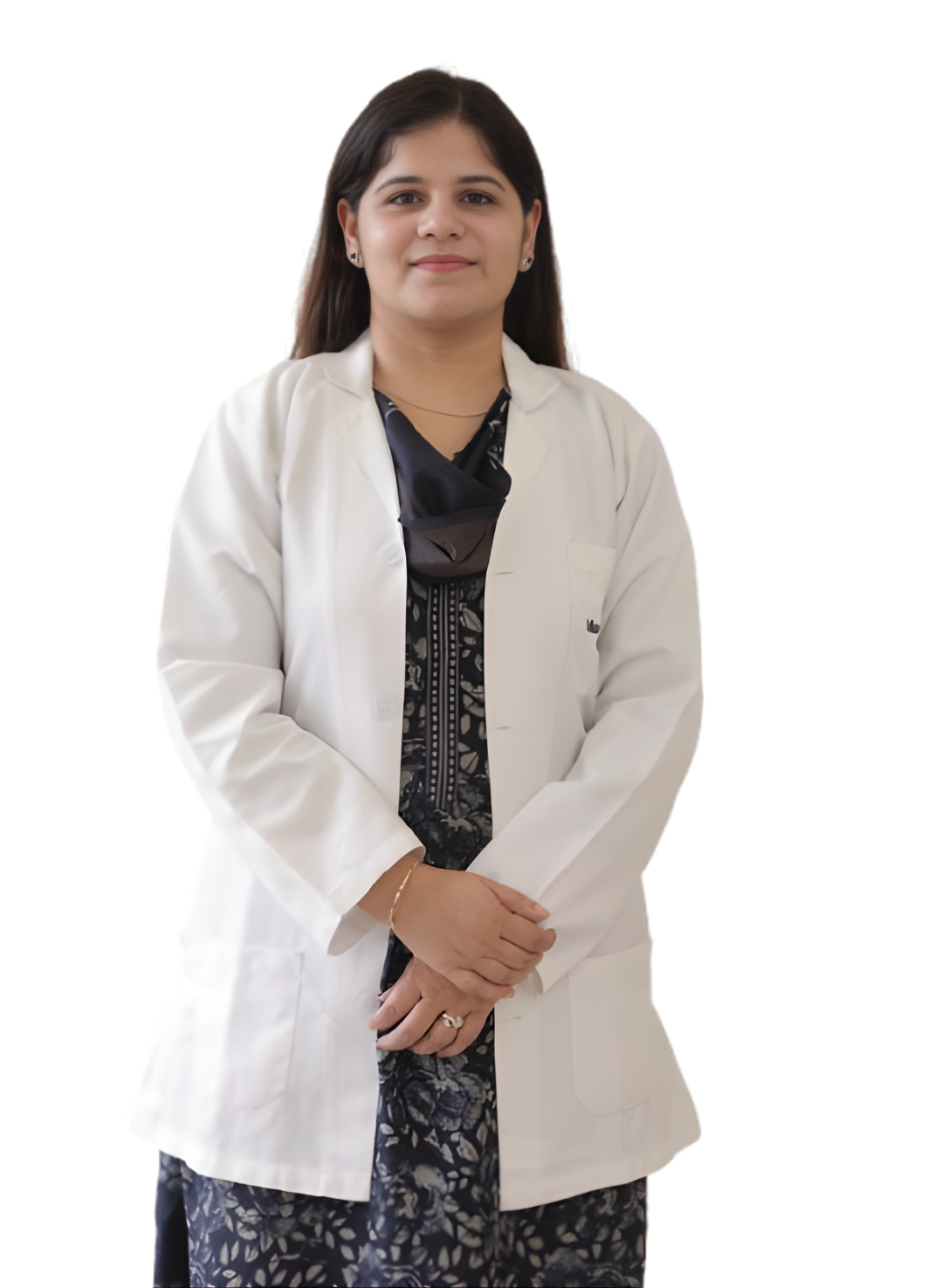
🎓 MBBS(Internal Medicine), MD(Internal Medicine), DM(Neurology)
Senior Neurology Consultant at Marengo Asia Hospital, Gurugram
Our Services
- Migraine and Headache Disorder
- Stroke and Stroke Rehabilitation
- Cervical and Lumbar Spondylosis
- Backache and Spine Disease
- Epilepsy and Seizure Disorder
- Parkinsons Disease and Movement
- Dementia and Alzheimer Disease
- Nerve and Muscle Disorders
- Depression
- Multiple Sclerosis and Neuroimmunological Disorder
- Stress and Anxiety Disorders