
- Personalized and Evidence - Based Neurological Care
- +91-9773763662
+91-9773763662
sjsneuro@yahoo.com
Nerve and Muscle Disorders
Nerve and Muscle Disorders
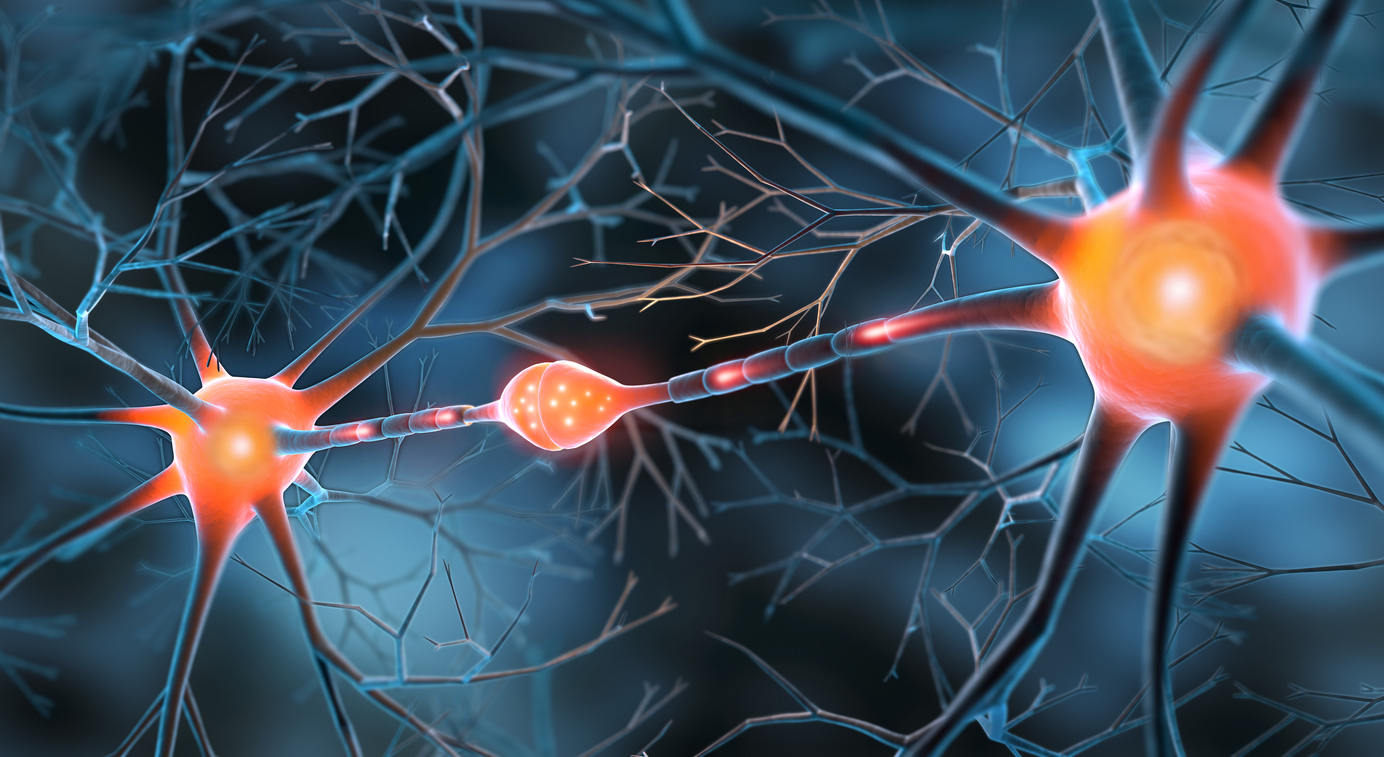
Nerve and muscle disorders are conditions that affect how nerves send signals and how muscles move and function. These disorders can lead to weakness, pain, numbness, muscle cramps, or difficulty with movement. They may develop slowly over time or appear suddenly, depending on the cause.
Understanding Nerves and Muscles
Nerves act like electrical wires. They carry messages between the brain, spinal cord, and the rest of the body.
Muscles receive these messages and contract to produce movement.
If nerves are damaged, muscles may not receive proper signals. If muscles themselves are diseased, they may not respond normally even if the nerves are healthy.
Types of Nerve and Muscle Disorders
1. Nerve Disorders (Neuropathies)
These occur when nerves are damaged or diseased. Common examples include:

Peripheral neuropathy – often caused by diabetes
Carpal tunnel syndrome – nerve compression in the wrist
Guillain-Barré syndrome – sudden nerve inflammation causing weakness
Radiculopathy – nerve root compression from spine problems
2. Muscle Disorders (Myopathies)
These affect muscle fibers directly. Common examples include:
Muscular dystrophy – genetic muscle weakness
Inflammatory myopathies – muscle inflammation (e.g., polymyositis)
Metabolic muscle disorders – due to enzyme or energy problems
Drug-induced muscle weakness
3. Neuromuscular Junction Disorders
These affect the connection between nerves and muscles.
Myasthenia gravis – causes muscle fatigue and weakness
Common Symptoms
Symptoms vary depending on the disorder but may include:
Muscle weakness or fatigue
Numbness or tingling
Muscle pain or cramps
Loss of coordination or balance
Muscle wasting (shrinking)
Difficulty walking, lifting objects, or swallowing
Drooping eyelids or facial weakness
Symptoms may worsen with activity or progress gradually over time.
Causes of Nerve and Muscle Disorders
Diabetes and poor blood sugar control
Vitamin deficiencies (especially B12)
Infections (viral or bacterial)
Autoimmune diseases
Genetic conditions
Injury or trauma
Long-term alcohol use
Certain medications or toxins
In some cases, the exact cause may not be identified.
How Are These Disorders Diagnosed?
Doctors use several methods to identify nerve and muscle disorders:
Medical history and physical examination
Blood tests to check for inflammation, infections, or muscle enzymes
Nerve conduction studies and EMG to assess nerve and muscle function
Imaging tests like MRI or CT scans
Muscle or nerve biopsy in selected cases
Early diagnosis helps prevent complications and improve outcomes.
Treatment Options
Treatment depends on the underlying cause and severity of the condition.
Medical Treatment
Medications to control pain and inflammation
Drugs to suppress immune system in autoimmune conditions
Vitamin or hormone replacement
Medications to improve nerve signaling
Supportive Care
Physiotherapy to maintain strength and flexibility
Occupational therapy to help with daily activities
Pain management strategies
Assistive devices (braces, walkers) if needed
Lifestyle Measures
Good blood sugar control in diabetes
Balanced diet with adequate vitamins
Regular gentle exercise
Avoiding alcohol and nerve-toxic substances
Living with Nerve and Muscle Disorders
Many patients can lead active and meaningful lives with proper management. Key points include:
Regular follow-up with healthcare providers
Adhering to medications and therapy plans
Early reporting of new or worsening symptoms
Emotional and psychological support when needed
When to See a Doctor
Seek medical advice if you experience:
Sudden or progressive muscle weakness
Persistent numbness or tingling
Difficulty walking, speaking, or swallowing
Severe muscle pain or cramps
Unexplained weight loss or fatigue

🎓 MBBS(Internal Medicine), MD(Internal Medicine), DM(Neurology)
Senior Neurology Consultant at Marengo Asia Hospital, Gurugram
Our Services
- Migraine and Headache Disorder
- Stroke and Stroke Rehabilitation
- Cervical and Lumbar Spondylosis
- Backache and Spine Disease
- Epilepsy and Seizure Disorder
- Parkinsons Disease and Movement
- Dementia and Alzheimer Disease
- Nerve and Muscle Disorders
- Depression
- Multiple Sclerosis and Neuroimmunological Disorder
- Stress and Anxiety Disorders