
- Personalized and Evidence - Based Neurological Care
- +91-9773763662
+91-9773763662
sjsneuro@yahoo.com
Multiple Sclerosis and Neuroimmunological Disorder
Multiple Sclerosis and Neuroimmunological Disorder
Multiple Sclerosis (MS) and other neuroimmunological disorders are conditions in which the body's immune system mistakenly attacks parts of the nervous system. These disorders can affect the brain, spinal cord, and nerves, leading to problems with movement, sensation, vision, and thinking.
This article explains these conditions in simple, easy-to-understand language for patients and their families.
Understanding the Nervous and Immune Systems

The nervous system controls movement, sensation, thinking, and coordination.
The immune system normally protects the body from infections.
In neuroimmunological disorders, the immune system becomes overactive or misdirected and attacks healthy nerve tissue, causing inflammation and damage.
What Is Multiple Sclerosis (MS)?
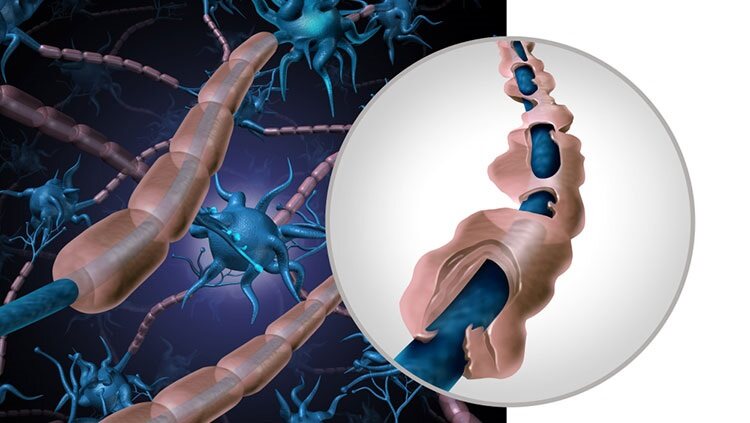
Multiple Sclerosis is a chronic neuroimmunological disease in which the immune system attacks the myelin, the protective covering of nerve fibers in the brain and spinal cord. When myelin is damaged, nerve signals slow down or stop, leading to various neurological symptoms.
Common Symptoms of Multiple Sclerosis
Symptoms vary widely from person to person and may come and go.
Fatigue (very common and often severe)
Weakness in arms or legs
Numbness or tingling
Difficulty walking or poor balance
Vision problems (blurred vision, double vision, vision loss)
Muscle stiffness or spasms
Problems with bladder or bowel control
Memory or concentration difficulties
Symptoms may worsen during relapses (attacks) and improve during remissions.
Types of Multiple Sclerosis
Relapsing-Remitting MS (RRMS): Most common; symptoms come and go
Secondary Progressive MS: Gradual worsening after an initial relapsing phase
Primary Progressive MS: Slow, steady worsening from the beginning
Other Neuroimmunological Disorders
Apart from MS, there are several other conditions where the immune system affects the nervous system:
1. Neuromyelitis Optica Spectrum Disorder (NMOSD)
Affects optic nerves and spinal cord
Causes severe vision loss and limb weakness
2. Myelin Oligodendrocyte Glycoprotein (MOG) Disease
Causes inflammation of brain, optic nerves, or spinal cord
Often responds well to treatment
3. Autoimmune Encephalitis
Immune attack on the brain
Can cause seizures, confusion, memory loss, or behavior changes
4. Guillain-Barré Syndrome (GBS)
Immune attack on peripheral nerves
Causes sudden weakness and can affect breathing
What Causes These Disorders?
The exact cause is often unknown, but contributing factors include:
Abnormal immune response
Genetic susceptibility
Viral or environmental triggers
Vitamin D deficiency (linked to MS)
These conditions are not contagious.
How Are MS and Neuroimmunological Disorders Diagnosed?
Diagnosis usually involves a combination of tests:
Clinical examination by a neurologist
MRI scans of brain and spinal cord
Blood tests to detect immune markers
Lumbar puncture (spinal tap) to examine cerebrospinal fluid
Nerve and vision tests in selected cases
Early diagnosis helps in starting treatment sooner and reducing long-term disability.
Treatment Options
There is no complete cure, but treatments can control symptoms, reduce relapses, and slow disease progression.
1. Disease-Modifying Therapies (DMTs)
Reduce immune attacks on nerves
Decrease frequency and severity of relapses
2. Treatment of Relapses
Steroids are commonly used to reduce inflammation
3. Symptom Management
Medications for pain, muscle stiffness, fatigue, or bladder problems
Physiotherapy and occupational therapy
Speech and vision therapy if needed
4. Lifestyle and Support
Regular exercise adapted to ability
Balanced diet and adequate rest
Stress management
Emotional and psychological support
Living with MS and Neuroimmunological Disorders
Many people live full and productive lives with proper care. Helpful strategies include:
Regular follow-up with a neurologist
Adherence to treatment plans
Early reporting of new symptoms
Support from family, friends, and patient groups
When to Seek Medical Attention
Contact your doctor if you experience:
New or worsening weakness or vision problems
Sudden difficulty walking or speaking
Severe fatigue affecting daily life
Changes in bladder or bowel control
Urgent care is needed if symptoms progress rapidly.

🎓 MBBS(Internal Medicine), MD(Internal Medicine), DM(Neurology)
Senior Neurology Consultant at Marengo Asia Hospital, Gurugram
Our Services
- Migraine and Headache Disorder
- Stroke and Stroke Rehabilitation
- Cervical and Lumbar Spondylosis
- Backache and Spine Disease
- Epilepsy and Seizure Disorder
- Parkinsons Disease and Movement
- Dementia and Alzheimer Disease
- Nerve and Muscle Disorders
- Depression
- Multiple Sclerosis and Neuroimmunological Disorder
- Stress and Anxiety Disorders