
- Personalized and Evidence - Based Neurological Care
- +91-9773763662
+91-9773763662
sjsneuro@yahoo.com
Migraine and headache disorders
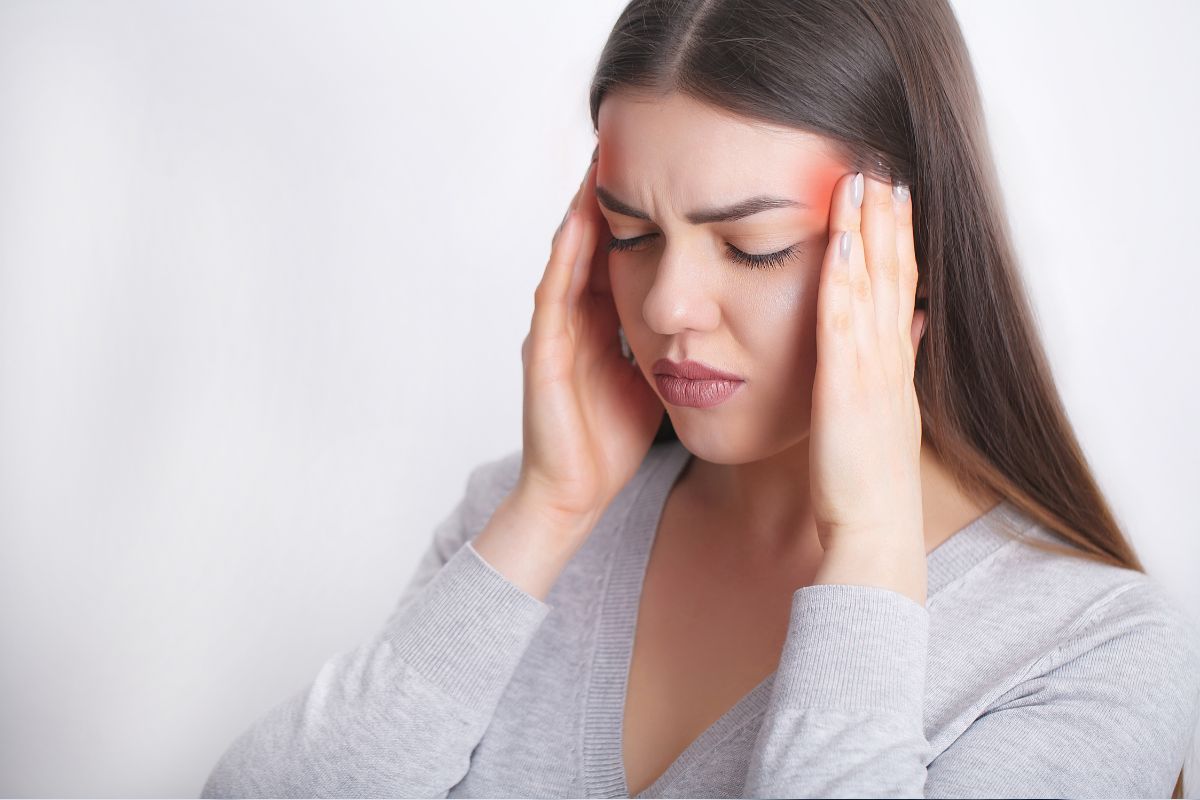
Neurologist for Migraine Treatment Gurugram
Migraine and headache disorders
Migraine and headache disorders are common neurological conditions that cause recurring head pain and associated symptoms. Although headaches vary in intensity and duration, migraines often produce moderate to severe pain that interferes with daily activities.
These disorders affect people of all ages and significantly reduce productivity and quality of life. Early diagnosis and proper management are essential for long-term relief.
Types of Headache Disorders
Headache disorders are classified into several types based on symptoms and causes.

Migraine Headache: Migraines cause throbbing or pulsating pain, usually on one side of the head. They often last from hours to days and may recur frequently.
Tension-Type Headache: Tension headaches cause dull, pressure-like pain around the forehead or back of the head. They are commonly linked to stress and muscle tension.
Cluster Headache: Cluster headaches cause intense, piercing pain around one eye or temple. They occur in cycles and can be extremely disabling.
Chronic Daily Headache: This condition involves headaches occurring 15 or more days per month. It often develops due to medication overuse or untreated migraines.
Common Causes and Triggers
Migraine and headache disorders result from a combination of neurological, genetic, and environmental factors. Common triggers include:
Stress and anxiety
Hormonal changes
Irregular sleep patterns
Dehydration
Skipping meals
Bright lights or loud sounds
Strong smells
Certain foods and beverages
Identifying personal triggers helps reduce the frequency and severity of attacks.
Symptoms of Migraine
Migraine symptoms extend beyond head pain and may include:
Nausea and vomiting
Sensitivity to light, sound, or smell
Visual disturbances (aura)
Fatigue and dizziness
Difficulty concentrating
Some patients experience warning signs hours before the headache begins.
Diagnosis of Migraine and Headache Disorders
Diagnosis is primarily clinical, based on symptom history and physical examination. Doctors may recommend:
Neurological evaluation
Headache diary review
Blood tests to rule out other causes
Brain imaging in selected cases
Accurate diagnosis ensures targeted and effective treatment.
Treatment Options for Migraine and Headache Disorders
Acute (Abortive) Treatment
These treatments stop headache pain once it begins. Options include:
Pain relievers
Triptans
Anti-nausea medications
Combination therapies
Early treatment improves outcomes and shortens attack duration.
Preventive Treatment
Preventive therapy reduces headache frequency and severity. It is recommended for frequent or disabling migraines. Options include:
Beta blockers
Antidepressants
Antiepileptic drugs
CGRP inhibitors
Botox injections for chronic migraine
Consistency is key for preventive success.
Lifestyle Management and Home Care
Lifestyle changes play a vital role in long-term control. Patients are advised to:
Maintain regular sleep schedules
Eat balanced meals on time
Stay hydrated
Exercise regularly
Practice stress management techniques
Limit screen exposure
Keeping a headache diary helps track triggers and treatment response.
Migraine and Mental Health
Migraine often coexists with anxiety and depression. Emotional stress can worsen symptoms, while frequent pain affects mental well-being. Integrated care improves both physical and psychological outcomes.
Seeking professional support enhances treatment success and overall quality of life.
When to Seek Medical Attention
Immediate medical care is necessary if headaches are:
Sudden and severe
Associated with weakness or vision loss
Accompanied by fever or confusion
Progressively worsening
Occurring after head injury
Early intervention prevents complications and ensures safety.
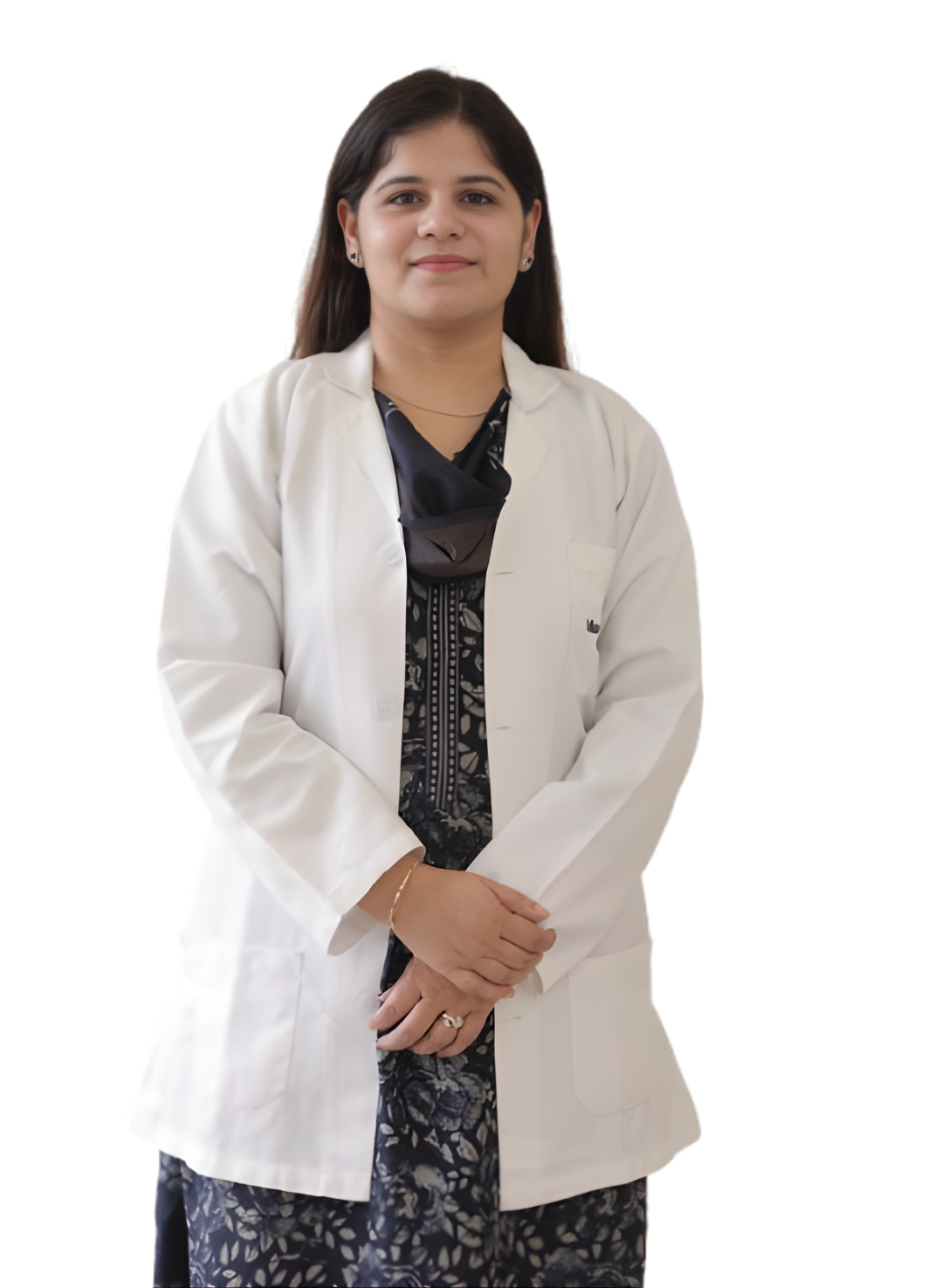
šŸŽ“ MBBS(Internal Medicine), MD(Internal Medicine), DM(Neurology)
Senior Neurology Consultant at Marengo Asia Hospital, Gurugram
Our Services
- Migraine and Headache Disorder
- Stroke and Stroke Rehabilitation
- Cervical and Lumbar Spondylosis
- Backache and Spine Disease
- Epilepsy and Seizure Disorder
- Parkinsons Disease and Movement
- Dementia and Alzheimer Disease
- Nerve and Muscle Disorders
- Depression
- Multiple Sclerosis and Neuroimmunological Disorder
- Stress and Anxiety Disorders