
- Personalized and Evidence - Based Neurological Care
- +91-9773763662
+91-9773763662
sjsneuro@yahoo.com
Epilepsy and Seizure Disorder
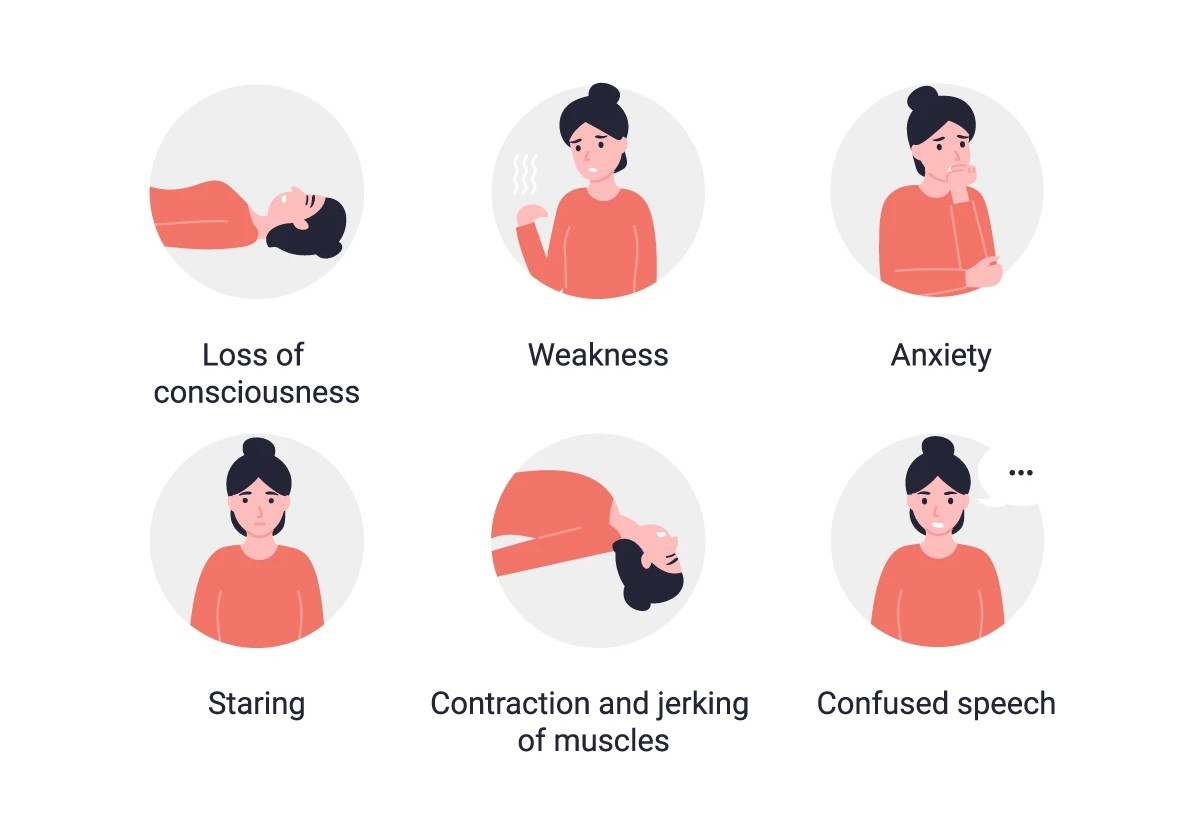
Epilepsy Specialist in Gurugram
Epilepsy and Seizure Disorder
Epilepsy and seizure disorders are chronic neurological conditions characterized by recurrent, unprovoked seizures. A seizure occurs due to sudden abnormal electrical activity in the brain. Epilepsy is diagnosed when a person experiences two or more unprovoked seizures.
These disorders affect individuals of all ages. However, with proper medical care, most patients lead active and productive lives.
What Causes Epilepsy?
Epilepsy may develop due to various underlying factors. In many cases, the exact cause remains unknown. Common causes include:

Brain injury or head trauma
Stroke or brain hemorrhage
Brain tumors
Congenital brain abnormalities
Central nervous system infections
Genetic predisposition
Birth-related complications
Identifying the cause helps guide effective treatment planning.
Types of Seizures
Seizures are classified based on how and where they begin in the brain.
Focal (Partial) Seizures
Focal seizures originate in one area of the brain. Symptoms may include involuntary movements, sensory changes, or altered awareness.
Generalized Seizures
Generalized seizures involve both sides of the brain. Common types include:
Tonic-clonic seizures
Absence seizures
Myoclonic seizures
Atonic seizures
Each seizure type requires a tailored treatment approach.
Common Symptoms of Seizure Disorders
Symptoms vary depending on seizure type and severity. They may include:
Sudden loss of consciousness
Convulsions or jerking movements
Blank staring spells
Confusion after seizures
Temporary memory loss
Unusual sensations or emotions
Some individuals experience warning signs known as auras before a seizure.
Risk Factors for Epilepsy
Several factors increase the likelihood of developing epilepsy:
Family history of seizures
Brain infections
Developmental disorders
Stroke and vascular disease
Severe head injury
Substance abuse
Managing risk factors reduces seizure frequency and complications.
Diagnosis of Epilepsy and Seizure Disorders
Diagnosis involves a detailed neurological assessment and medical history. Doctors may recommend:
Electroencephalogram (EEG)
MRI or CT scan of the brain
Blood tests
Video EEG monitoring in selected cases
Accurate diagnosis ensures precise and effective treatment.
Medical Treatment for Epilepsy
Anti-Epileptic Drugs (AEDs)
Medications are the first line of treatment for seizure control. AEDs help stabilize brain electrical activity and prevent seizures. Most patients achieve good seizure control with a single medication.
Regular follow-up ensures dose optimization and minimizes side effects.
Advanced Treatment Options
For drug-resistant epilepsy, additional treatments may be considered:
Epilepsy surgery to remove seizure focus
Vagus nerve stimulation (VNS)
Deep brain stimulation (DBS)
Responsive neurostimulation (RNS)
Ketogenic diet, especially in children
These options significantly improve outcomes in selected patients.
Lifestyle Management for Seizure Control
Lifestyle modifications play a crucial role in managing epilepsy. Patients are advised to:
Take medications regularly
Maintain adequate sleep
Avoid alcohol and recreational drugs
Manage stress effectively
Follow a balanced diet
Avoid known seizure triggers
Consistency improves seizure control and quality of life.
Epilepsy and Mental Health
Epilepsy often affects emotional well-being. Anxiety, depression, and social stigma are common challenges. Psychological counseling and social support enhance overall care and confidence.
A holistic treatment approach addresses both physical and emotional health.
When to Seek Immediate Medical Care
Emergency care is required if:
A seizure lasts longer than five minutes
Multiple seizures occur without recovery
Injury occurs during a seizure
Breathing does not resume after a seizure
Seizure occurs for the first time
Timely intervention prevents serious complications.
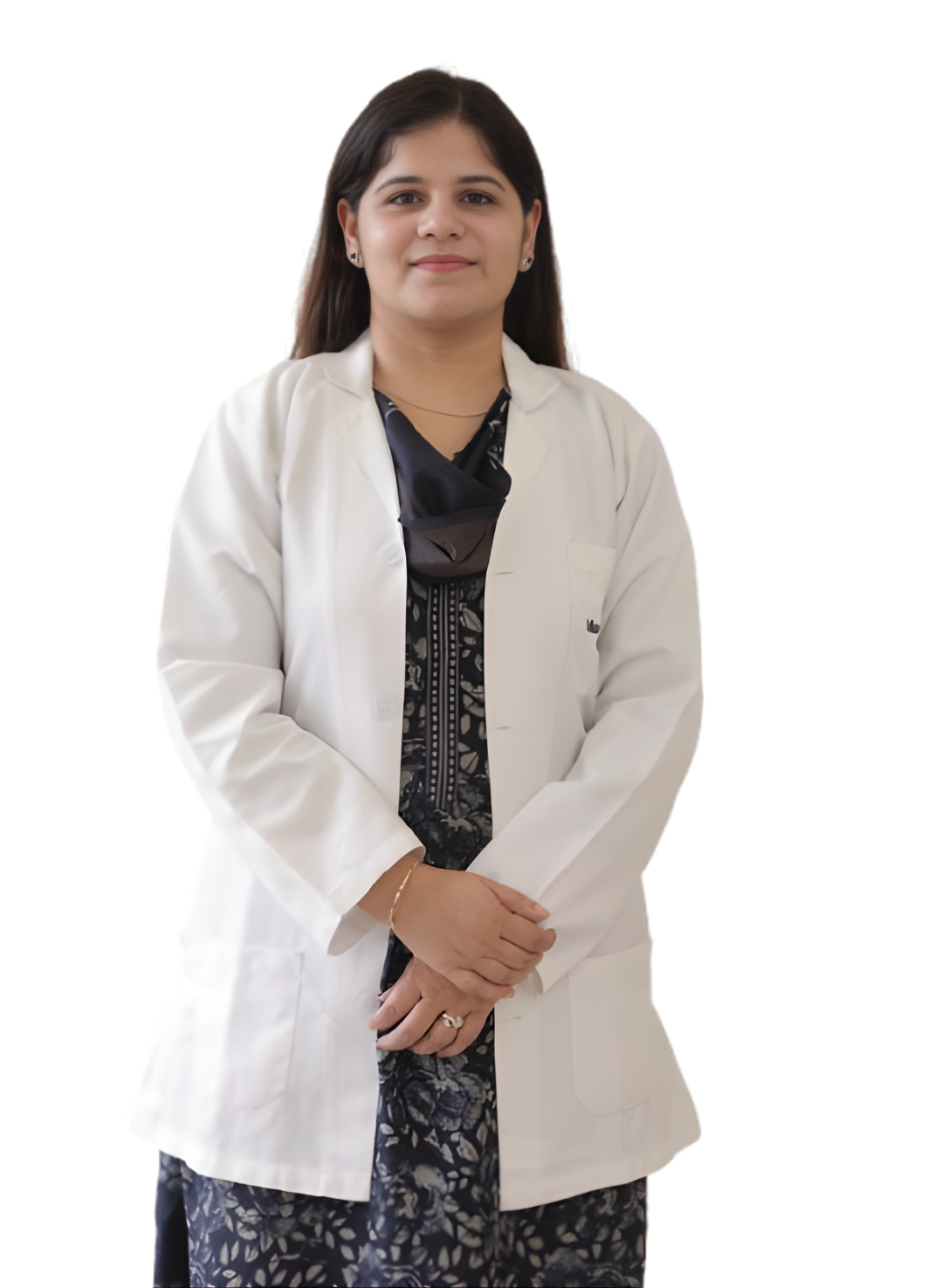
šŸŽ“ MBBS(Internal Medicine), MD(Internal Medicine), DM(Neurology)
Senior Neurology Consultant at Marengo Asia Hospital, Gurugram
Our Services
- Migraine and Headache Disorder
- Stroke and Stroke Rehabilitation
- Cervical and Lumbar Spondylosis
- Backache and Spine Disease
- Epilepsy and Seizure Disorder
- Parkinsons Disease and Movement
- Dementia and Alzheimer Disease
- Nerve and Muscle Disorders
- Depression
- Multiple Sclerosis and Neuroimmunological Disorder
- Stress and Anxiety Disorders