
- Personalized and Evidence - Based Neurological Care
- +91-9773763662
+91-9773763662
sjsneuro@yahoo.com
Stress and Anxiety Disorders

Stress and Anxiety Disorders Treatment in Gurgaon
Stress and Anxiety Disorders
Stress and anxiety disorders are common mental health conditions that affect how a person feels, thinks, and behaves. While stress and anxiety are normal reactions to life’s challenges, they can become a problem when they are intense, long-lasting, or interfere with daily life. The good news is that stress and anxiety disorders are manageable and treatable with the right care and support.
This article explains stress and anxiety disorders in simple language for patients and their families.
Understanding Stress and Anxiety
Stress is the body’s natural response to pressure or demands. It can be short-term (acute stress) or long-term (chronic stress).
Anxiety is a feeling of fear, worry, or nervousness, often about future events or uncertain situations.
A little stress or anxiety can be helpful, but too much can harm mental and physical health.
What Are Anxiety Disorders?
Anxiety disorders occur when anxiety becomes excessive, persistent, and difficult to control, even when there is no real danger. These conditions can affect work, relationships, sleep, and overall quality of life.
Common Types of Anxiety Disorders

Generalized Anxiety Disorder (GAD): Constant and excessive worry about daily activities. Difficulty relaxing or controlling worry.
Panic Disorder: Sudden panic attacks with intense fear. Symptoms include chest pain, breathlessness, sweating, and palpitations.
Social Anxiety Disorder: Fear of social situations or being judged. Avoidance of public speaking or social interaction.
Phobias: Intense fear of specific objects or situations (e.g., heights, injections).
Stress-Related Disorders: Acute stress disorder and post-traumatic stress disorder (PTSD) following traumatic events.
Common Symptoms
Symptoms may be physical, emotional, or behavioral.
Emotional and Mental Symptoms: Constant worry or fear, feeling restless or on edge, difficulty concentrating, irritability.
Physical Symptoms: Rapid heartbeat, sweating or trembling, shortness of breath, headaches or stomach problems, muscle tension and fatigue.
Behavioral Symptoms: Avoiding stressful situations, sleep disturbances, difficulty performing daily tasks.
Causes of Stress and Anxiety Disorders
These conditions usually result from a combination of factors:
Ongoing life stress (work pressure, financial issues, illness), traumatic experiences, family history of anxiety or mental illness, brain chemical imbalance, chronic medical conditions, poor sleep and unhealthy lifestyle.
How Are Stress and Anxiety Disorders Diagnosed?
Diagnosis is usually made through:
Detailed discussion of symptoms and duration, mental health evaluation, screening questionnaires, medical tests to rule out physical causes such as thyroid problems.
Treatment Options
Stress and anxiety disorders are highly treatable.
Psychological Therapy: Cognitive Behavioral Therapy (CBT) helps manage negative thoughts. Relaxation and mindfulness techniques.
Medications: Anti-anxiety medications or antidepressants prescribed based on individual needs.
Lifestyle Changes: Regular physical activity, balanced diet and adequate sleep, stress management techniques such as yoga or meditation, limiting caffeine, alcohol, and smoking.
Self-Care Tips for Managing Stress and Anxiety
Practice deep breathing or relaxation exercises, break tasks into small, manageable steps, maintain a daily routine, stay connected with family and friends, seek support when feeling overwhelmed.
Living with Stress and Anxiety Disorders
With proper treatment and self-care, symptoms can be controlled, daily functioning improves, and relapses can be prevented with ongoing support. Regular follow-up with healthcare providers is important.
When to Seek Immediate Help
Seek urgent medical care if you experience panic attacks that feel uncontrollable, severe anxiety affecting daily life, or thoughts of self-harm or suicide. Help is always available, and reaching out is a sign of strength.
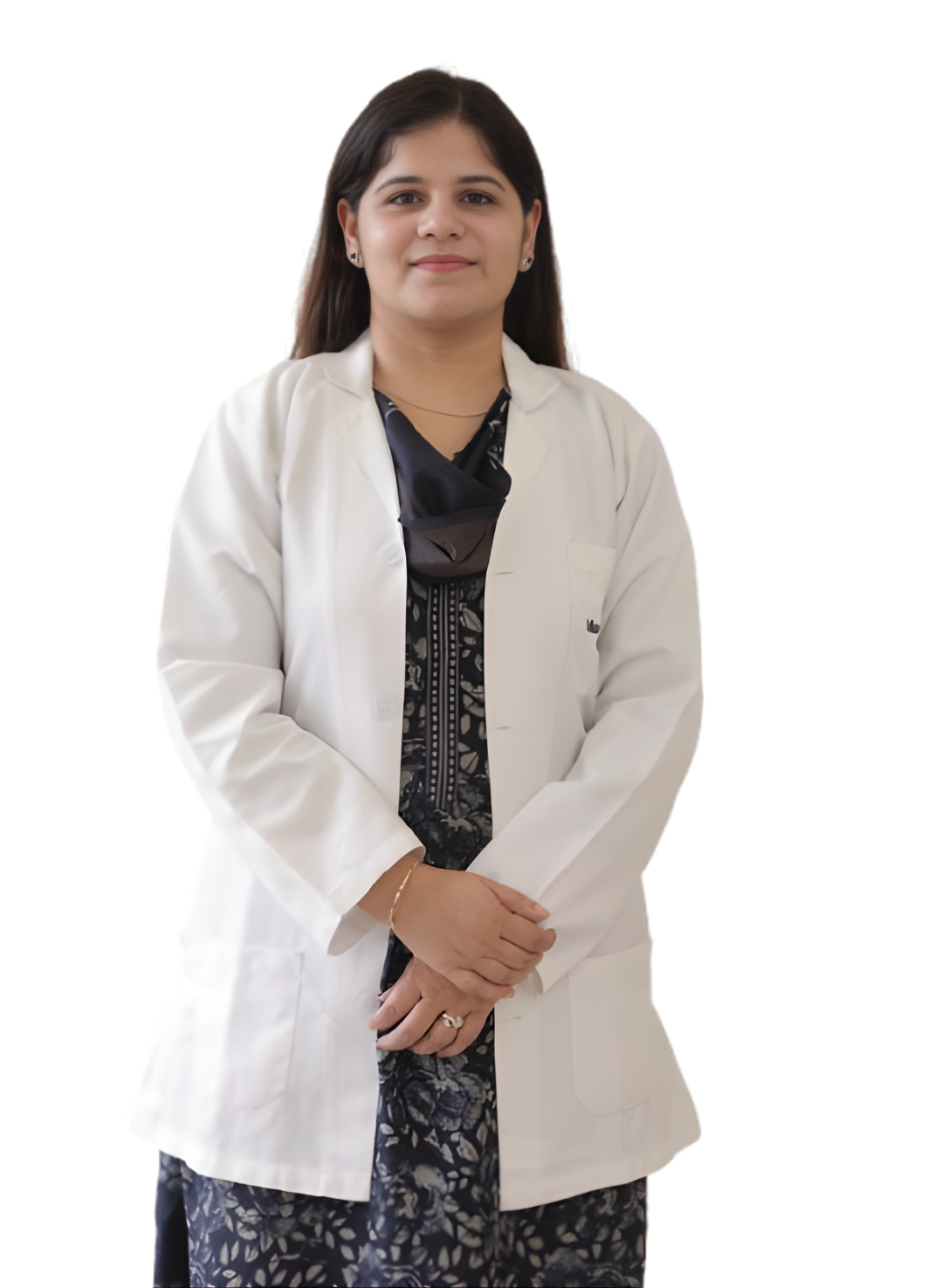
🎓 MBBS(Internal Medicine), MD(Internal Medicine), DM(Neurology)
Senior Neurology Consultant at Marengo Asia Hospital, Gurugram
Our Services
- Migraine and Headache Disorder
- Stroke and Stroke Rehabilitation
- Cervical and Lumbar Spondylosis
- Backache and Spine Disease
- Epilepsy and Seizure Disorder
- Parkinsons Disease and Movement
- Dementia and Alzheimer Disease
- Nerve and Muscle Disorders
- Depression
- Multiple Sclerosis and Neuroimmunological Disorder
- Stress and Anxiety Disorders