
- Personalized and Evidence - Based Neurological Care
- +91-9773763662
+91-9773763662
sjsneuro@yahoo.com
Depression

Depression
Depression is a common and serious mental health condition that affects how a person feels, thinks, and behaves. It is more than just feeling sad or low for a few days. Depression can last for weeks or months and can interfere with daily life, relationships, work, and physical health. The good news is that depression is treatable, and many people recover fully with proper care and support.
What Is Depression?
Depression is a medical condition that affects the brain and emotions. It causes a persistent feeling of sadness, emptiness, or loss of interest in activities that a person once enjoyed. It is not a sign of weakness, laziness, or failure—it is a health condition that needs attention and care.
Common Symptoms of Depression
Symptoms can vary from person to person. Some people may have many symptoms, while others may have only a few.
Emotional symptoms:

Feeling sad, hopeless, or empty most of the time
Loss of interest or pleasure in daily activities
Feeling guilty, worthless, or helpless
Irritability or frustration
Physical symptoms:
Fatigue or low energy
Changes in sleep (sleeping too much or too little)
Changes in appetite or weight
Body aches, headaches, or digestive problems without clear cause
Mental and behavioral symptoms:
Difficulty concentrating or making decisions
Restlessness or slowed movements
Avoiding social interaction
Thoughts of death or suicide (this needs urgent medical attention)
What Causes Depression?
Depression usually results from a combination of factors, including:
Chemical imbalance in the brain
Stressful life events (loss of a loved one, job problems, financial stress)
Chronic medical conditions (diabetes, heart disease, thyroid disorders)
Hormonal changes (post-pregnancy, menopause)
Family history of depression
Alcohol or substance use
Sometimes, depression can occur without any obvious cause.
Types of Depression
Major depressive disorder: Severe symptoms affecting daily life
Persistent depressive disorder: Long-lasting, milder depression
Postpartum depression: Occurs after childbirth
Seasonal affective disorder (SAD): Related to seasonal changes
Depression with anxiety: Depression combined with excessive worry
How Is Depression Diagnosed?
Doctors diagnose depression through:
Detailed discussion of symptoms and duration
Medical history and mental health evaluation
Questionnaires or screening tools
Sometimes blood tests to rule out medical causes like thyroid problems
Early diagnosis leads to better recovery.
Treatment Options for Depression
Depression is highly treatable, and treatment is tailored to each individual.
1. Medications
Antidepressants help balance brain chemicals
They may take a few weeks to show full effect
Medicines should be taken only under medical supervision
2. Psychotherapy (Talk Therapy)
Helps patients understand and manage negative thoughts
Cognitive Behavioral Therapy (CBT) is commonly used
Can be done individually or in groups
3. Lifestyle and Support
Regular physical activity
Healthy diet and adequate sleep
Stress management techniques
Support from family and friends
In severe cases, additional treatments may be recommended by specialists.
Living with Depression
With proper treatment and support:
Most people improve significantly
Symptoms can be controlled and prevented from returning
Long-term follow-up may be needed in some cases
Self-care, medication adherence, and regular check-ups are key to recovery.
When to Seek Immediate Help
Seek urgent medical help if you or someone you know:
Has thoughts of self-harm or suicide
Feels unable to cope with daily life
Shows sudden severe mood changes
You are not alone, and help is always available.
How Family and Friends Can Help
Listen without judgment
Encourage treatment and follow-up
Be patient and supportive
Help with daily tasks if needed
Support plays a major role in recovery.
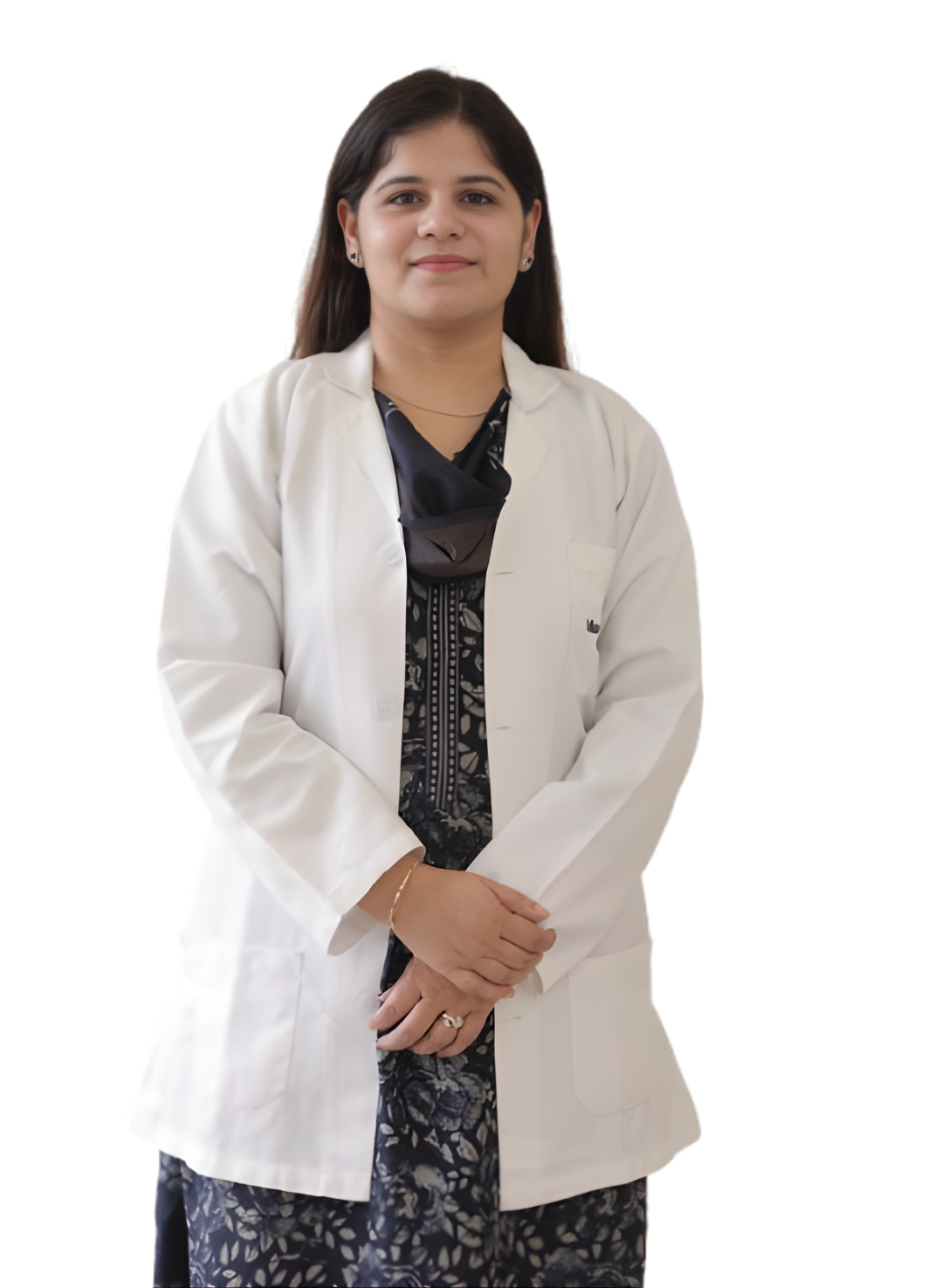
🎓 MBBS(Internal Medicine), MD(Internal Medicine), DM(Neurology)
Senior Neurology Consultant at Marengo Asia Hospital, Gurugram
Our Services
- Migraine and Headache Disorder
- Stroke and Stroke Rehabilitation
- Cervical and Lumbar Spondylosis
- Backache and Spine Disease
- Epilepsy and Seizure Disorder
- Parkinsons Disease and Movement
- Dementia and Alzheimer Disease
- Nerve and Muscle Disorders
- Depression
- Multiple Sclerosis and Neuroimmunological Disorder
- Stress and Anxiety Disorders