
- Personalized and Evidence - Based Neurological Care
- +91-9773763662
+91-9773763662
sjsneuro@yahoo.com
Cervical and Lumbar Spondylosis
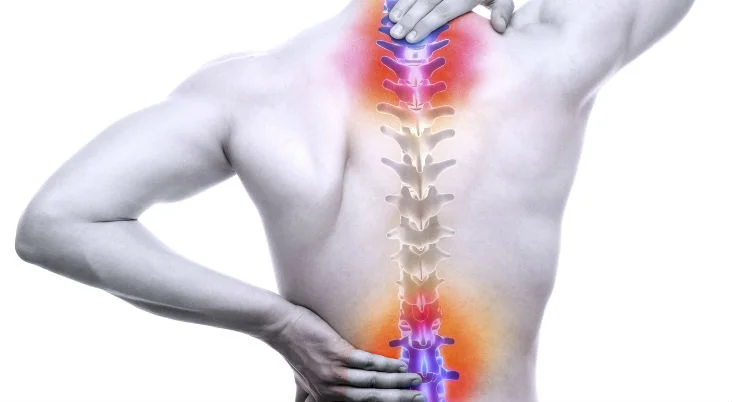
Cervical and Lumbar Spondylosis Treatment in Gurgaon
Cervical and Lumbar Spondylosis
Cervical and lumbar spondylosis are common degenerative spine conditions caused by age-related wear and tear of the spinal discs and joints. Cervical spondylosis affects the neck region, while lumbar spondylosis involves the lower back.
These conditions gradually reduce spinal flexibility and may compress nearby nerves, leading to pain and restricted movement.
What Causes Spondylosis?
Spondylosis develops due to progressive structural changes in the spine. Key causes include:

Degeneration of spinal discs
Formation of bone spurs (osteophytes)
Loss of disc hydration and height
Ligament thickening
Repetitive strain or poor posture
Previous spinal injury
Although aging is the primary factor, lifestyle habits significantly influence disease progression.
Cervical Spondylosis Explained
Cervical spondylosis affects the neck vertebrae and surrounding structures. It is extremely common in individuals over 40 years of age.
Symptoms of Cervical Spondylosis
Neck pain and stiffness
Shoulder and arm pain
Tingling or numbness in hands
Headaches originating from the neck
Reduced neck mobility
Muscle weakness in severe cases
Symptoms may worsen with prolonged screen use or improper sleeping posture.
Lumbar Spondylosis Explained
Lumbar spondylosis involves degeneration of the lower spine, which bears most body weight. It often causes chronic back discomfort.
Symptoms of Lumbar Spondylosis
Lower back pain and stiffness
Pain radiating to hips or legs
Numbness or tingling in legs
Difficulty standing or walking long distances
Reduced flexibility of the lower spine
Symptoms usually increase with prolonged standing or heavy lifting.
Risk Factors for Cervical and Lumbar Spondylosis
Several factors increase the risk of developing spondylosis:
Advancing age
Sedentary lifestyle
Obesity
Poor posture
Desk-based occupations
Smoking
Lack of regular exercise
Addressing modifiable risk factors helps slow disease progression.
Diagnosis of Spondylosis
Diagnosis begins with a detailed clinical evaluation and physical examination. Doctors may recommend:
X-rays to detect bone spurs and disc narrowing
MRI scans to assess nerve compression
CT scans for detailed bone structure
Neurological tests to evaluate nerve function
Early diagnosis allows timely intervention and better outcomes.
Non-Surgical Treatment Options
Medications
Pain relievers and anti-inflammatory drugs
Muscle relaxants
Neuropathic pain medications
These medications reduce pain and improve daily functioning.
Physiotherapy
Physiotherapy is the cornerstone of spondylosis management. It includes:
Neck and back strengthening exercises
Stretching routines
Posture correction
Heat and cold therapy
Regular physiotherapy improves mobility and reduces recurrence.
Lifestyle Modifications
Ergonomic workspace setup
Weight management
Proper sleeping posture
Avoiding prolonged sitting
Regular low-impact exercise
Healthy habits significantly reduce symptom severity.
Interventional Pain Management
In persistent cases, doctors may recommend:
Epidural steroid injections
Nerve root blocks
Facet joint injections
These procedures provide targeted pain relief and improve quality of life.
Surgical Treatment for Spondylosis
Surgery is considered only when conservative treatment fails or neurological deficits worsen. Surgical options aim to:
Relieve nerve compression
Stabilize the spine
Restore spinal alignment
Modern minimally invasive spine surgery offers faster recovery and reduced complications.
Preventing Cervical and Lumbar Spondylosis
Prevention focuses on spinal health and daily habits:
Maintain correct posture
Exercise regularly
Strengthen core muscles
Take frequent breaks during desk work
Avoid heavy lifting without support
Early preventive measures preserve long-term spinal function.
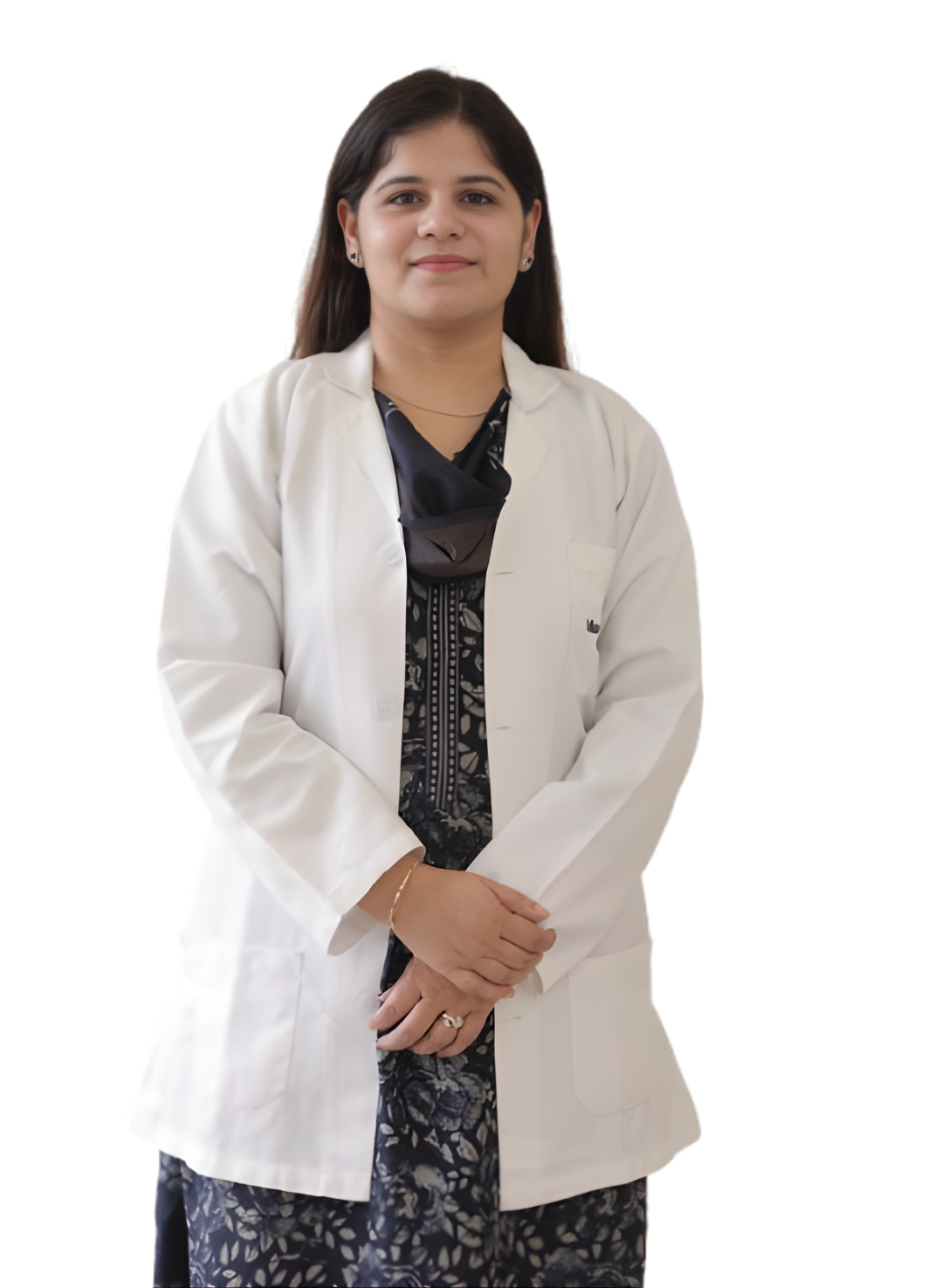
šŸŽ“ MBBS(Internal Medicine), MD(Internal Medicine), DM(Neurology)
Senior Neurology Consultant at Marengo Asia Hospital, Gurugram
Our Services
- Migraine and Headache Disorder
- Stroke and Stroke Rehabilitation
- Cervical and Lumbar Spondylosis
- Backache and Spine Disease
- Epilepsy and Seizure Disorder
- Parkinsons Disease and Movement
- Dementia and Alzheimer Disease
- Nerve and Muscle Disorders
- Depression
- Multiple Sclerosis and Neuroimmunological Disorder
- Stress and Anxiety Disorders