- Personalized and Evidence - Based Neurological Care
- +91-9773763662
+91-9773763662
sjsneuro@yahoo.com
Stroke and Stroke Rehabilitation
Stroke Treatment Doctor in Gurugram
Stroke and Stroke Rehabilitation
Stroke is a serious medical emergency that occurs when blood supply to the brain is interrupted or reduced. As a result, brain cells begin to die within minutes due to lack of oxygen and nutrients. Prompt treatment is essential to minimize brain damage and improve survival.
Stroke remains a leading cause of disability and death worldwide. However, early intervention and structured rehabilitation significantly improve outcomes.
Types of Stroke
Stroke is broadly classified into three main types.
Ischemic Stroke: Ischemic stroke occurs due to blockage of a brain artery, often caused by a blood clot. It accounts for nearly 85% of all strokes.
Hemorrhagic Stroke: Hemorrhagic stroke results from rupture of a blood vessel in the brain, leading to bleeding and pressure on brain tissue.
Transient Ischemic Attack (TIA): TIA is a temporary interruption of blood flow to the brain. Although symptoms resolve quickly, it is a strong warning sign of a future major stroke.
Common Causes and Risk Factors
Stroke risk increases due to several modifiable and non-modifiable factors, including:
High blood pressure
Diabetes mellitus
High cholesterol
Heart disease
Smoking and alcohol use
Obesity and physical inactivity
Advanced age
Family history
Controlling risk factors significantly reduces stroke incidence.
Signs and Symptoms of Stroke
Stroke symptoms usually appear suddenly and worsen rapidly. Common warning signs include:
Facial drooping
Arm or leg weakness
Slurred or difficult speech
Vision problems
Loss of balance or coordination
Severe headache
The FAST method helps identify stroke early: Face, Arms, Speech, Time. Immediate medical attention saves lives.
Diagnosis and Acute Stroke Treatment
Diagnosis involves rapid neurological assessment and imaging studies. Doctors may use:
CT scan or MRI brain
Blood tests
ECG and echocardiography
Acute treatment depends on stroke type. Ischemic stroke may require clot-busting drugs or mechanical thrombectomy. Hemorrhagic stroke may require blood pressure control or surgery.
What Is Stroke Rehabilitation?
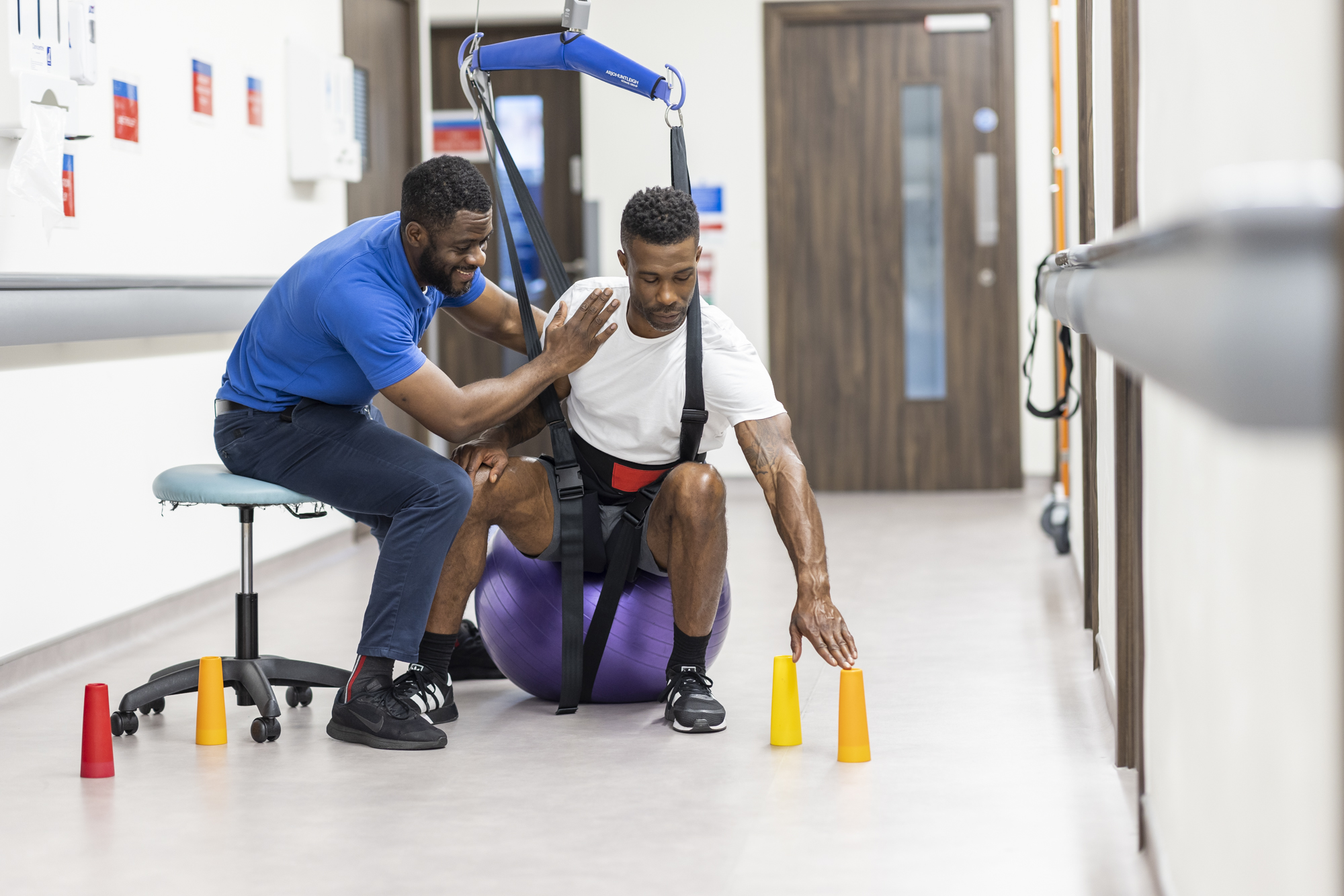
Stroke rehabilitation is a structured program designed to help patients regain lost abilities after a stroke. Rehabilitation begins as early as possible, often within 24–48 hours after stabilization.
The goal is to restore independence, improve function, and enhance quality of life.
Components of Stroke Rehabilitation
Physical Therapy: Physical therapy improves muscle strength, balance, and mobility. It helps patients relearn walking and daily movements.
Occupational Therapy: Occupational therapy focuses on self-care skills such as dressing, eating, and writing. It promotes independence in daily activities.
Speech and Language Therapy: Speech therapy helps patients recover speech, language, and swallowing abilities. It also addresses cognitive communication problems.
Psychological Support: Emotional and behavioral changes are common after stroke. Counseling helps manage depression, anxiety, and mood disorders.
Recovery Timeline After Stroke
Stroke recovery varies widely among individuals. Most improvement occurs within the first three to six months. However, continued therapy can lead to progress even after one year.
Early and consistent rehabilitation improves long-term outcomes significantly.
Preventing Recurrent Stroke
Secondary prevention plays a vital role in stroke care. Patients are advised to:
Take prescribed medications regularly
Control blood pressure and blood sugar
Quit smoking
Follow a heart-healthy diet
Exercise regularly
Attend follow-up medical visits
Preventive care reduces the risk of future strokes.
Role of Family and Caregivers
Family support is crucial during recovery. Caregivers assist with therapy, encourage motivation, and ensure medication compliance. Education empowers families to provide effective long-term care.
A supportive environment accelerates emotional and physical healing.
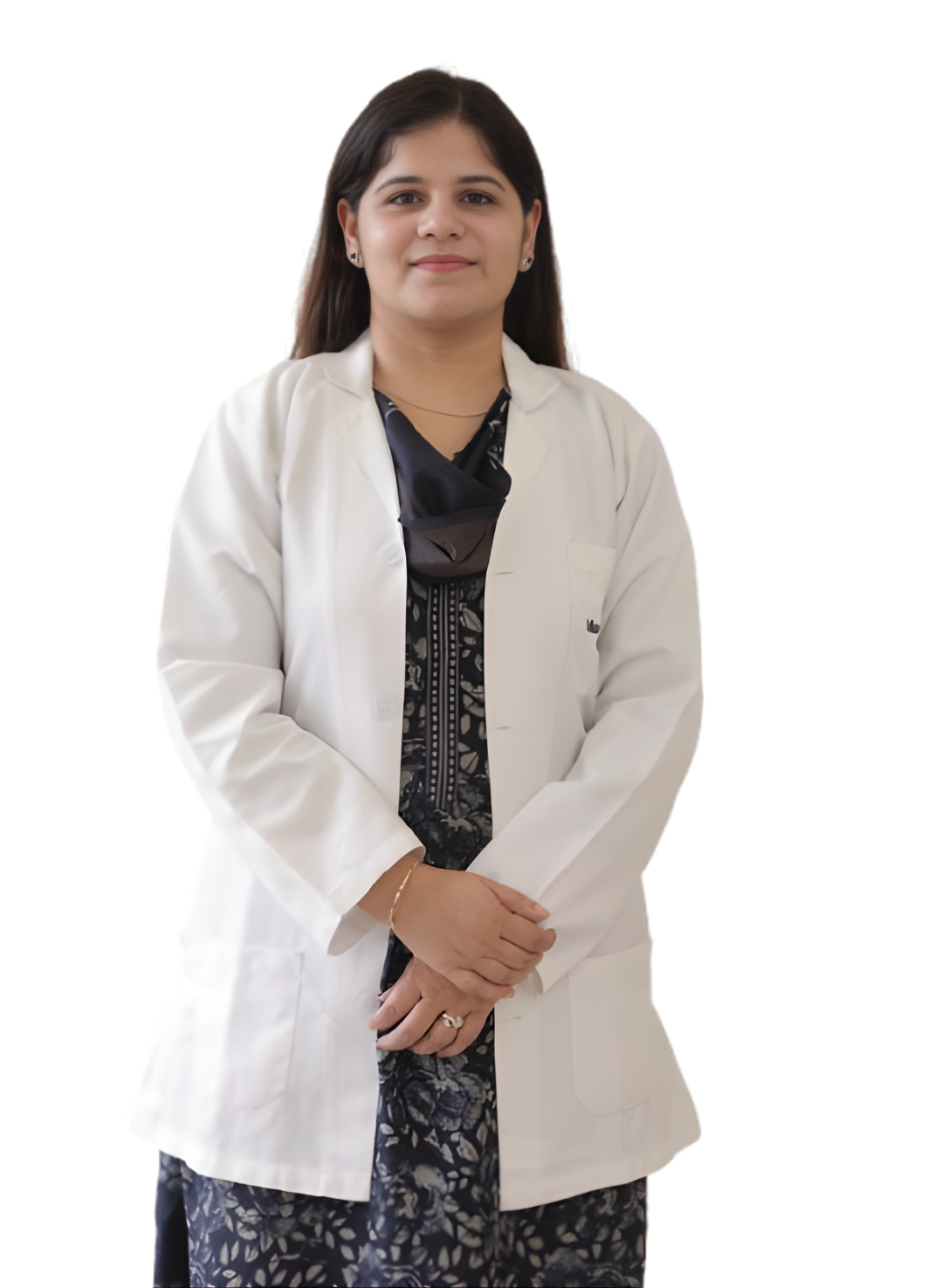
🎓 MBBS(Internal Medicine), MD(Internal Medicine), DM(Neurology)
Senior Neurology Consultant at Marengo Asia Hospital, Gurugram
Our Services
- Migraine and Headache Disorder
- Stroke and Stroke Rehabilitation
- Cervical and Lumbar Spondylosis
- Backache and Spine Disease
- Epilepsy and Seizure Disorder
- Parkinsons Disease and Movement
- Dementia and Alzheimer Disease
- Nerve and Muscle Disorders
- Depression
- Multiple Sclerosis and Neuroimmunological Disorder
- Stress and Anxiety Disorders